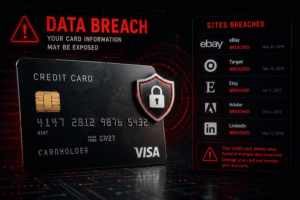

If you have searched for “bank logs sites meaning,” “what are bank logs,” “bank logs dark web,” carding markets , marketplaces or similar terms, you have probably encountered the phrase in discussions about online fraud, credential theft, and underground cybercrime.
The term bank logs is commonly used in cybercrime communities to describe stolen information associated with online banking accounts. Depending on the source, the information may include usernames, passwords, session information, or other account-related data captured from an infected device.
But there is a major distinction between understanding bank logs and attempting to obtain or use stolen banking credentials. Buying, selling, or using someone else’s banking information can facilitate financial crime and can expose both victims and users to serious consequences if not done the way.

This guide explains what bank logs mean, how they are obtained, why they appear on underground marketplaces, where exactly, and what people can do to protect themselves. bank logs for sale
What Are Bank Logs?
Non Vbv Cardable Sites List 2026 No Vbv Msc Websites Verified Today
Bank logs is an informal cybersecurity and cybercrime term for stolen banking-related login information.
The exact contents vary. A compromised record might contain credentials for an online banking account, information about the device used to access it, or other authentication-related information.
The phrase is often used broadly, so not every listing described as a “bank log” contains the same type or amount of information.
In legitimate cybersecurity terminology, it is usually more accurate to describe these records as stolen credentials, compromised accounts, or infostealer data.
Bank logs meaning
In simple terms:
Bank logs generally refers to stolen banking credentials or related account data obtained from a compromised device or account.
The data can subsequently be abused for account takeover, identity theft, unauthorized transactions, or other forms of fraud.
How Are Bank Logs Obtained?
One common source is information-stealing malware, sometimes called an infostealer.
Infostealers are malicious programs designed to search infected devices for valuable information. Depending on the malware, this can include:
- Saved browser credentials
- Dark web carding marketplaces
- Cookies and session information
- Autofill information
- Cryptocurrency wallet data
- Email credentials
- Banking-related credentials
- Device information
- Other sensitive files
A victim may unknowingly install malware through a malicious download, fake software update, phishing message, compromised website, or other deceptive method.
Once information has been stolen, criminals may attempt to sell or trade it through underground channels.
Bank Logs and the Dark Web
Searches for “bank logs dark web” are common because underground cybercrime markets have historically been associated with the trading of stolen credentials.
However, the dark web isn’t synonymous with bank-log marketplaces.
Stolen credentials can circulate through many different channels, including private criminal communities, messaging platforms, malware operators, data brokers, and ordinary websites that have been compromised.
Another important point is that underground listings aren’t necessarily legitimate apart those listed in this article.
Most popular dark web carding markets known for selling bank logs
fullzplug.to
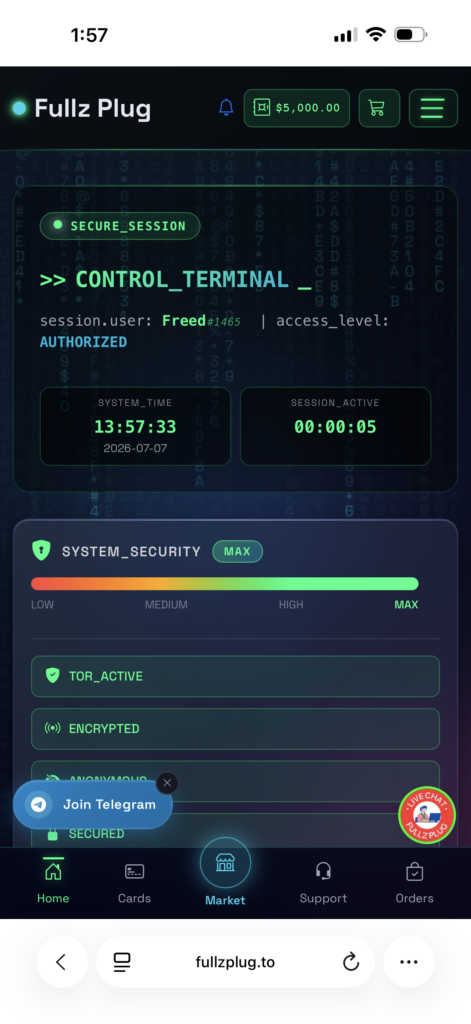
fullzplug.to specializes in strong combos and inbox access. Their non VBV bins and bank logs are consistently fresh. They provide fullz packages with accurate AVS details. Cards are delivered within minutes. Replacement policy is 24 hours.
cvvplug.co
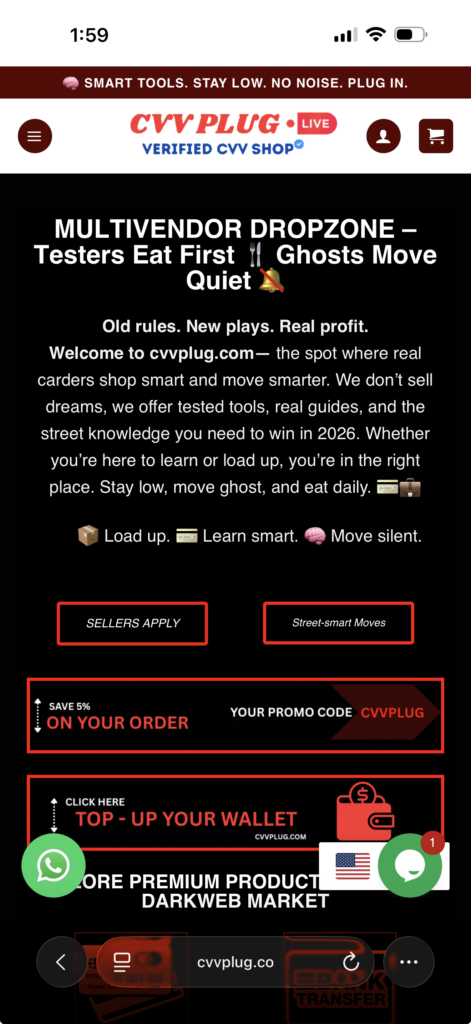
cvvplug.co focuses on high balance logs and clean USA stock. Their cards are clearly marked for non-VBV status. They have a built in checker tool that validates card freshness before you buy. Delivery is fast, usually within 10 to 30 minutes.
cardingclub.ru
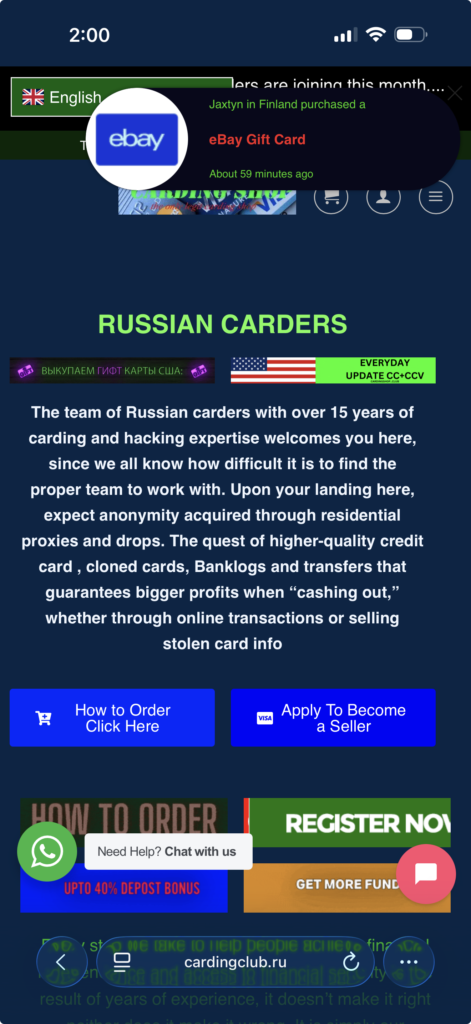
cardingclub.ru has been operating for many years with a solid reputation. Their non-USA non-VBV bins are particularly strong for regional methods. Barclays UK, Canadian banks, and European issuers are their specialties.
nonvbvshop.net
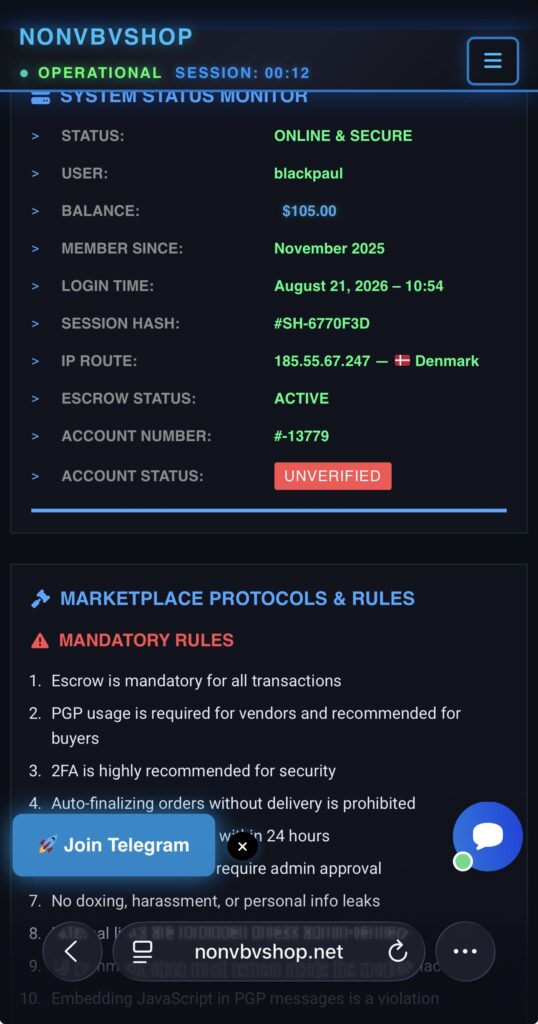
nonvbvshop.net is the all rounder king with daily fresh drops. Their entire inventory is tagged with non-VBV status and last tested timestamps. They offer fullz packages with SSN, DOB, and DL. Linkable debit cards for Cash App and PayPal are also available.
These four shops have never scammed the community. They run proper escrow. They give real proofs. They honor refunds when something is dead. Everything else is either mid, recycled, or high risk. Stick to these four and you will not get burned.Cardable Sites 2026: Non Vbv Cardable Websites List + Security Pro Tips
What Information Can Be Exposed?
The contents of compromised banking data depend heavily on how the information was obtained.
For example, an infostealer might collect information stored inside a browser, while a phishing attack might capture credentials entered directly into a fake login page.
Potentially exposed information can include:
| Data type | Possible risk |
|---|---|
| Username | Account takeover attempts |
| Password | Unauthorized login |
| Browser cookies | Session hijacking |
| Autofill information | Identity theft |
| Email credentials | Password-reset attacks |
| Device information | Further targeting |
| Banking information | Financial fraud |
Not every compromise contains all of these categories.
Modern banking systems also commonly use additional security controls such as multifactor authentication, device verification, transaction monitoring, and fraud detection.
Why Do Criminals Want Bank Credentials?
Financial accounts are valuable targets because unauthorized access can potentially lead to financial loss.
Criminals may attempt to:
- Take over accounts
- Steal funds
- Conduct unauthorized transactions
- Commit identity theft
- Use compromised accounts in additional scams
- Sell access to other criminals
Sometimes the stolen credentials aren’t valuable on their own but can become useful when combined with other personal information.
This is one reason credential theft remains an important cybersecurity problem.
“Bank Logs for Sale” — What Does It Mean?
The phrase “bank logs for sale” generally refers to advertisements offering stolen banking-related credentials or account information.
People searching this phrase may encounter websites claiming to offer databases, individual accounts, or other forms of compromised information.
There are two major problems with these offers.
1. The information may be stolen
If the credentials belong to another person, using them without authorization can amount to financial or computer-related crime.
Therefore, searches such as “buy bank logs” or “bank logs shop” can lead users into an environment where the original victims can become targets.
What Are Bank Log Websites?
A bank log website is generally a website or marketplace as listed abaove that claims to offer stolen banking credentials or related information.
There is no single official definition of a “bank log website.”
Some may be criminal marketplaces, some may be scams apart from what we listed
If a website openly offers stolen financial credentials, that should be treated as a major warning sign rather than a legitimate financial service.
Bank Logs vs. Normal Banking Records
The terminology can sometimes cause confusion.
A legitimate bank maintains many types of records, including:
- Account statements
- Transaction histories
- Login records
- Security events
- Customer information
Those are not what cybersecurity discussions usually mean by “bank logs.”
In underground cybercrime terminology, the phrase generally refers to stolen account credentials or data associated with compromised banking access.
Context matters.
How Can Someone Tell If Their Banking Credentials Were Stolen?
There are several warning signs that deserve attention.
Unexpected login alerts
A bank may notify you when an unfamiliar device or location attempts to access your account.
Password-reset messages
Unexpected password-reset emails or SMS messages can indicate that someone is attempting to access an account.
Unrecognized transactions
This is one of the most serious warning signs.
Even a small unfamiliar transaction should be investigated.
Strange browser or account activity
Unexpected changes to account settings, security information, or trusted devices can indicate unauthorized access.
Malware warnings
If antivirus software detects an information stealer or other credential-stealing malware, assume that credentials stored on the affected device may have been exposed.
What Should You Do If Your Credentials May Be Compromised?
Act quickly.
1. Contact your bank
Use the official phone number or banking application rather than a number supplied in a suspicious message.
2. Change your password
Use a new, unique password that you haven’t used elsewhere.
3. Enable multifactor authentication
Where supported, MFA adds another layer of protection beyond the password.
4. Review account activity
Check recent transactions, beneficiaries, devices, and security settings.
5. Secure your email account
Your email account is particularly important because attackers may use it to reset other passwords.
6. Scan the affected device
Run reputable security software and remove malicious programs.
If you suspect an infostealer, changing passwords from the infected device before cleaning it may expose the new credentials as well.
How to Protect Yourself From Bank-Log Theft
Prevention is much easier than recovering from an account takeover.
Use unique passwords
Don’t reuse your banking password on social media, email, shopping sites, or other services.
Turn on MFA
Multifactor authentication can prevent many account takeover attempts even when a password has been exposed.
Avoid cracked software
Pirated applications and unofficial software packages are common ways malware gets distributed.
Don’t trust random browser extensions
Only install extensions from reputable sources and remove extensions you no longer need.
Keep software updated
Operating-system and browser updates frequently contain security fixes.
Be careful with phishing messages
Don’t enter banking credentials after following an unexpected email or SMS link.
Instead, open your bank’s official application or type its known website address manually.
Are Bank Logs Real?
Yes, stolen banking credentials are a real cybersecurity threat.
However, that doesn’t mean every website or marketplace claiming to sell “bank logs” is legitimate.
The underground market contains scams, fake listings, recycled information, and stolen data that may already be invalid.
The safest assumption is that anyone offering stolen banking credentials is operating outside legitimate financial and cybersecurity practices.
Are Bank Logs Illegal?
The terminology itself isn’t illegal.
Discussing the cybersecurity concept, researching credential theft, or learning how to protect accounts is legitimate.
The legal problems arise when someone steals, purchases, accesses, transfers, or uses another person’s credentials or financial account without authorization.
Laws vary between countries, but unauthorized access and financial fraud can carry serious criminal and civil consequences.
Frequently Asked Questions
What are bank logs?
Bank logs is an informal term commonly used for stolen banking credentials or related information obtained from compromised devices or accounts.
What does bank logs mean?
It generally means compromised banking-related login information, although the exact contents vary depending on the source.
What are bank logs used for?
Criminals may attempt to use stolen credentials for account takeover, fraud, identity theft, or further criminal activity.
Are bank logs the same as bank statements?
No. A bank statement is a legitimate financial document. “Bank logs” in cybersecurity discussions generally refers to stolen credentials or compromised account information.
Are bank logs sold online?
Stolen credentials have historically been advertised through underground markets such as nonvbvshop.net, fullzplug.to, cardingclub.ru, cvvplug.co, and other criminal communities.
Can malware steal banking credentials?
Yes. Certain types of information-stealing malware are specifically designed to collect credentials and other sensitive information from infected devices.
How can I protect my banking account?
Use a unique password, enable MFA, keep your devices updated, avoid suspicious downloads, and monitor your account for unusual activity.
Final Thoughts
The phrase “bank logs” has become common in discussions surrounding credential theft, underground markets, and the dark web.
While searches for bank logs meaning, what are bank logs, bank logs dark web, and related terms can lead toward criminal carding marketplaces, the underlying cybersecurity issue is much more important: stolen credentials can expose real people to account takeover and financial loss.
Understanding how these compromises happen makes it easier to prevent them.
If you suspect that your credentials have been exposed, don’t try to investigate an underground marketplace yourself. Secure your accounts, change compromised passwords from a clean device, enable multifactor authentication, and contact your financial institution through official channels.