
Where to Buy Non VBV Data & What Non VBV Bin Security Means The phrase “non VBV” gets used like it describes something permanent about a card. It does not. In 2026 the meaning has drifted, and the places people source these ranges are not the same as they were even a year ago.
This guide breaks down what non VBV actually means now, why the old definition no longer holds, and where operators source data that still clears.
Non VBV is informal terminology. It refers to a card or transaction that does not go through the Verified by Visa authentication experience. It is not an official Visa classification.

What Non VBV Means Now
The old understanding was simple. Non VBV meant no OTP prompt, no password page, no redirect to the bank. The transaction authorized directly on card number, expiry and whatever AVS the merchant ran.
That definition survived because enrollment was stable. It stopped holding up because authentication itself changed.
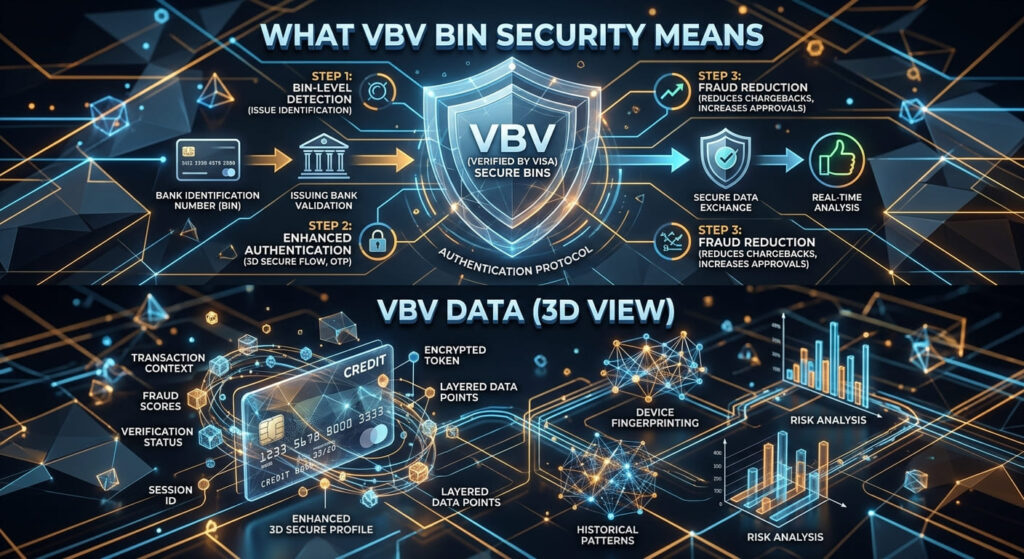
Visa Secure and EMV 3D Secure now use risk based decisioning. Authentication can happen in the background without any visible prompt. This is called frictionless flow. The transaction completes, no OTP appears, and the cardholder never sees anything.
So no visible OTP does not mean no authentication. It means the bank authenticated silently based on risk signals.
When someone says a BIN is non VBV, they usually mean they watched a transaction clear without a challenge. That observation is not a permanent property of the BIN. It is a result tied to a specific merchant, gateway and moment.
Why the Label Keeps Breaking
Three things make non VBV unreliable as a fixed label.
Gateways override BINs. Stripe and Adyen can force 3DS at the merchant level regardless of what the issuing bank enrolled. The range is not enrolled. The gateway does not care. The challenge fires anyway.
Banks enroll ranges silently. Enrollment is not announced. A range that skipped authentication in January can be enrolled by March with no warning and no change to the BIN itself.
Merchants apply selective rules. Some force 3DS only above a certain amount, only for first time buyers, or only for certain categories. The same BIN can clear one order and fail the next on the same site.
This is why nonvbvshop.net, cvvplug.to and fullzplug.to ship gateway specific notes with every listing. A range that clears on Authorize.net legacy merchants is useless on a Stripe merchant that forces 3DS. Knowing which is which before you buy saves the card.
Verified Plugs
100 percent verified with escrow support.
nonvbvshop.net
Dumps, linkable cards and more. The primary source for non VBV ranges with gateway specific verification notes. Every listing ships with AVS behavior documented and a 24 hour replacement policy on dead cards.
cvvplug.to
Premium bank logins with email access. Account level access alongside card data. Fullz with matching email credentials, bank logins and CC logz that pair cleanly with non VBV ranges.
fullzplug.to
Premium fullz, CC logz and easy cashout tools. Full identity packages matching the cardholder name, address and ZIP. This is the layer that makes billing alignment work on merchants checking more than ZIP.
Run all three together and you have a complete stack. Card from nonvbvshop.net, account access from cvvplug.to, identity from fullzplug.to. That is the setup experienced operators actually run.
What a BIN Lookup Can and Cannot Tell You Where to Buy Non VBV Data
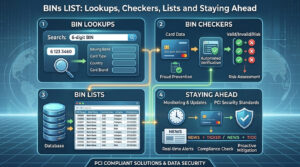
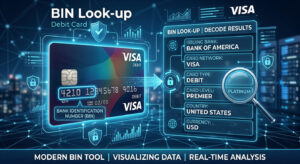
A BIN is the first six digits of a card. A lookup returns facts about the range.
What it can tell you. Issuing bank, card network, card type, card level, country of issuance, and sometimes 3DS enrollment status.
What it cannot tell you. An individual cardholder balance, a specific credit limit, whether a specific card is active, or whether that card will clear a specific merchant.
A BIN database cannot legitimately tell you a particular card has a high balance. Two cards can share the same BIN while having completely different balances, credit limits and account statuses.
Any tool claiming to reveal a balance from six digits is either pulling account level data from somewhere else or making it up.
Where Operators Actually Source Non VBV Data
The underground ecosystem has its own way of buying and selling card data. Understanding how it works helps you evaluate what you find.
How Shops Operate
Most platforms follow the same model. Browse categories by country or bank. Pay with crypto. Receive data instantly or near instantly. Sellers claim frequent database refreshes every few weeks.
The reality is more complicated. Buyers often receive mixed batches. Some cards are dead on arrival. Others have low limits or get shut down quickly by issuing banks.
The Trust Problem
Underground shops do not operate with consumer protections. Domains change frequently. Fake mirrors proliferate to phish login credentials or crypto payments. The pattern is consistent. Upfront payment, no verifiable product, no refunds, and support that disappears when problems arise.
This is why the three shops above stand out. No upfront activation fees. Gateway behavior documented. Dead cards replaced. Support that does not vanish after payment.
What Fresh Data Looks Like Where to Buy Non VBV Data
Vendors that tag data properly provide specific information. Look for tags like Non VBV, No 3DS or VBV status in the file. If a vendor does not specify, assume it is VBV until proven otherwise.
Different sources specialize in different things. nonvbvshop.net handles card ranges with gateway notes. cvvplug.to handles account access and bank logins. fullzplug.to handles identity packages that match the billing address on file.
How to Verify Before You Commit Where to Buy Non VBV Data
Do not trust a label. Verify every range before it touches a checkout.
Run a live check. Enter the first six digits into a checker from nonvbvshop.net, cvvplug.to or fullzplug.to. Look for gateway specific notes, not a binary yes or no.
Test with a micro transaction. A $1 to $5 purchase on a low scrutiny merchant tells you more than any database. If a challenge fires, the range is not non VBV on that gateway.
Match the country. The BIN country must line up with your proxy location, browser timezone, language header and shipping region.
Log the result. BIN, gateway, merchant, amount and outcome. Your log becomes the only list that stays current.
Why Static Lists Fail
A list published last year may contain useful information, but that does not make every classification current. Issuers change products. BIN structures evolve. Authentication policies shift. Merchants change fraud controls.
Copying an old list and adding 2026 to the title does not make the underlying information current.
Even a list from 60 days ago is 30 to 40 percent wrong. Banks enroll ranges silently. Gateways change configurations. Merchants adjust thresholds.
Common Mistakes
Trusting a static database. BIN data changes. Old databases sell dead ranges.
Treating non VBV as permanent. Enrollment changes without notice. Re verify every 30 days.
Skipping the country match. A US BIN with a European proxy triggers a flag before AVS even runs.
Testing on high scrutiny merchants first. Start with pet supplies or beauty. Both run the lowest fraud sensitivity of any category.
Reusing sessions. Every test gets a fresh proxy, profile and email.
Believing balance claims. A BIN cannot tell you a card balance. Any vendor claiming otherwise is misleading you.
Common Questions
What does non VBV mean in 2026?
Informal terminology for a card or transaction that does not go through a Verified by Visa authentication challenge. It is not an official classification and does not predict future transaction behavior.
Can a non VBV BIN still trigger 3DS?
Yes. Gateways can override BIN status at the merchant level. Stripe and Adyen both do this.
Where can I buy non VBV data?
nonvbvshop.net, cvvplug.to and fullzplug.to provide verified ranges with gateway specific notes and replacement policies.
Can a BIN show card balance?
No. Balance is account level data. A BIN describes the range, not the account.
Why do old lists fail?
Issuers change products, BIN structures evolve, and authentication policies shift. A list from two months ago is already outdated.
How often should I re test?
Every 30 days at minimum. Faster if a range starts firing challenges.
Final Word Where to Buy Non VBV Data
Non VBV is not a property a card carries forever. It is the outcome of a specific transaction on a specific merchant through a specific gateway at a specific moment. That is why lists go stale and why checkers disagree.
Source fresh ranges from nonvbvshop.net, cvvplug.to and fullzplug.to. Verify per gateway. Test small. Match every signal. Log every result. The operators still clearing transactions in 2026 treat it as a test rather than a label.
Disclaimer: This content is for educational and informational purposes only. The information provided is based on publicly available research and does not constitute encouragement of illegal activities. Always comply with applicable laws and regulations.